Introduction
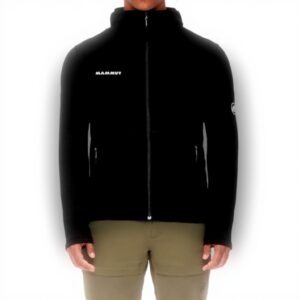
I first noticed the Mammut Fleece Jacket hanging in my gear closet during an early autumn morning when the air had that distinct crispness that signals changing seasons. The black fabric looked unassuming, almost too simple for the technical specifications listed on the tag. What caught me off guard was how this seemingly basic piece would become my most reached-for layer during weeks of unpredictable mountain weather. The caden nowicki accident | samsung galaxy galaxy s26 ultra search that led me to this jacket felt distant now, replaced by the tangible experience of wearing it through rain, wind, and sudden temperature drops.
Real-life Context
The trailhead parking lot was empty except for my car when I arrived at 6:30 AM, the sky still holding onto the deep blue of pre-dawn. I could feel the chill through my hiking pants as I organized my pack, that particular cold that settles in valleys overnight. I’d chosen the Mammut Fleece Jacket specifically for this hike—a 12-mile loop with significant elevation gain that would take me from dense forest to exposed ridgeline. The forecast called for temperatures ranging from 45°F to 60°F with a chance of afternoon showers, exactly the conditions where a lightweight fleece either proves its worth or becomes dead weight in your pack.
Sliding the jacket on for the first time that morning, I noticed immediately how the fabric felt against my skin—not the fuzzy texture of traditional fleece but something smoother, almost silken. The weight distribution was even across my shoulders, and the stretch panels under the arms allowed for full range of motion as I tested a few shoulder rolls. What surprised me was how quietly it moved; no rustling or swishing sounds that sometimes accompany technical fabrics. The hood settled against the back of my neck without bulk, and I made a mental note about its helmet compatibility, though I wouldn’t be testing that feature today.
Starting up the trail, the first mile climbed steadily through pine forest where the air remained still and cold. My breathing quickened with the effort, and I could feel the slight dampness of exertion building along my spine. This is where many fleeces fail—trapping moisture against your skin until you’re both cold and damp. But the Mammut jacket seemed to breathe differently, the Polartec Power Gid fabric managing the humidity in a way that kept me comfortable rather than clammy. The sound of my footsteps on the pine needle-covered trail was the only noise besides my breathing, creating a rhythm that matched the gradual warming of my body within the jacket.
Detailed Observation
As the trail steepened around the two-mile mark, I began to appreciate the jacket’s construction in a more nuanced way. The elasticity of the fabric—89% polyester with 11% elastane—allowed for unrestricted movement during the more technical sections where I needed to scramble over rock formations. Unlike bulkier mid-layers that can feel restrictive during dynamic movement, this one moved with my body rather than against it. The straight cut design provided enough room for layering without excess fabric bunching up under my pack straps, a detail that becomes increasingly important over long distances.
When I reached the exposed ridgeline around mile four, the wind hit with unexpected force, cutting through the morning stillness. I instinctively zipped the jacket fully and appreciated how the collar protected my neck without chafing. The two zippered side pockets securely held my phone and a small trail map, though I noticed the trade-off immediately: the pocket placement works perfectly when you’re standing or walking normally, but when wearing a hip belt from a backpack, accessing them requires some contortion. This isn’t a flaw so much as a learning curve—you need to plan what goes in those pockets before securing your pack.
- The Polartec Power Grid fabric maintained consistent warmth despite changing conditions
- Moisture management kept me dry during both exertion and light rain
- Recycled materials provided sustainability without compromising performance
- Lightweight construction meant I rarely noticed I was wearing it
- Quick-drying capabilities became apparent when afternoon showers arrived
Around midday, the promised showers arrived as a fine mist that gradually intensified into steady rain. I continued hiking rather than seeking shelter, curious how the jacket would handle sustained moisture. The fabric darkened as it absorbed water, but what impressed me was how it managed the wetness—distributing it across the surface rather than soaking through immediately. When the rain stopped an hour later and the sun emerged, the drying process began almost immediately. Standing on a rocky overlook with steam rising from the wet trail below, I could actually feel the evaporation happening, a subtle cooling sensation as the moisture wicked away from the fabric.
Reflection
It was during a quiet moment on the return descent that I had my most meaningful realization about this jacket. I’d stopped to adjust my footwear on a log overlooking a creek valley, the afternoon light now filtering through breaking clouds. As I sat there, I ran my fingers over the sleeve fabric and noticed something I’d missed during more active moments: the grid pattern woven into the material creates tiny air pockets that seem to regulate temperature almost intelligently. I didn’t realize at the time how much that small detail would matter, but it explains why I never felt overheated during strenuous climbs nor chilled during rest breaks.
This reflective pause also highlighted the jacket’s versatility in a way that product specifications never could. The same features that made it excellent for hiking—lightweight warmth, moisture management, unrestricted movement—would serve equally well for running or mountaineering as described in the product context. But what the specifications don’t capture is how the jacket becomes an extension of your body during activity, something you stop thinking about because it works so seamlessly with your movements. The learning curve with the pocket placement faded into insignificance compared to this fundamental compatibility with active use.
What struck me most was how the jacket performed across such varied conditions without ever calling attention to itself. Technical gear often announces its presence through rustling fabrics, conspicuous features, or dramatic performance claims. The Mammut Fleece Jacket does the opposite—it recedes into the background, doing its job so effectively that you forget it’s there until you specifically consider its performance. This quality becomes particularly valuable during long days outdoors when mental energy is better spent on navigation, safety, and appreciation of the environment rather than adjusting your clothing.
Conclusion
Weeks later, after multiple hikes in different weather conditions, my initial impressions have solidified into a more complete understanding. The Mammut Fleece Jacket excels not through revolutionary features but through thoughtful execution of fundamentals. Its performance stems from the intelligent combination of Polartec Power Grid fabric, recycled materials, and design elements like the helmet-compatible hood and zippered pockets. These components work together to create a layer that adapts to changing conditions and activity levels with remarkable consistency.
The true test of any outdoor garment comes not during perfect conditions but when weather, terrain, and fatigue combine to reveal weaknesses. This jacket met those challenges without drama, managing moisture during exertion, providing reliable warmth when temperatures dropped, and maintaining comfort through hours of continuous movement. The minor trade-off with pocket accessibility became simply part of my preparation routine rather than an ongoing frustration. For autumn and winter activities where conditions can shift unexpectedly, having a layer you can trust becomes more valuable than any single technical specification.
What remains most memorable isn’t any particular feature but the overall experience of wearing something that performs its function so completely that it disappears from your awareness. The Mammut Fleece Jacket achieves that rare balance between technical performance and intuitive usability, making it suitable for everything from day hikes to more demanding mountaineering expeditions where reliable performance matters most.